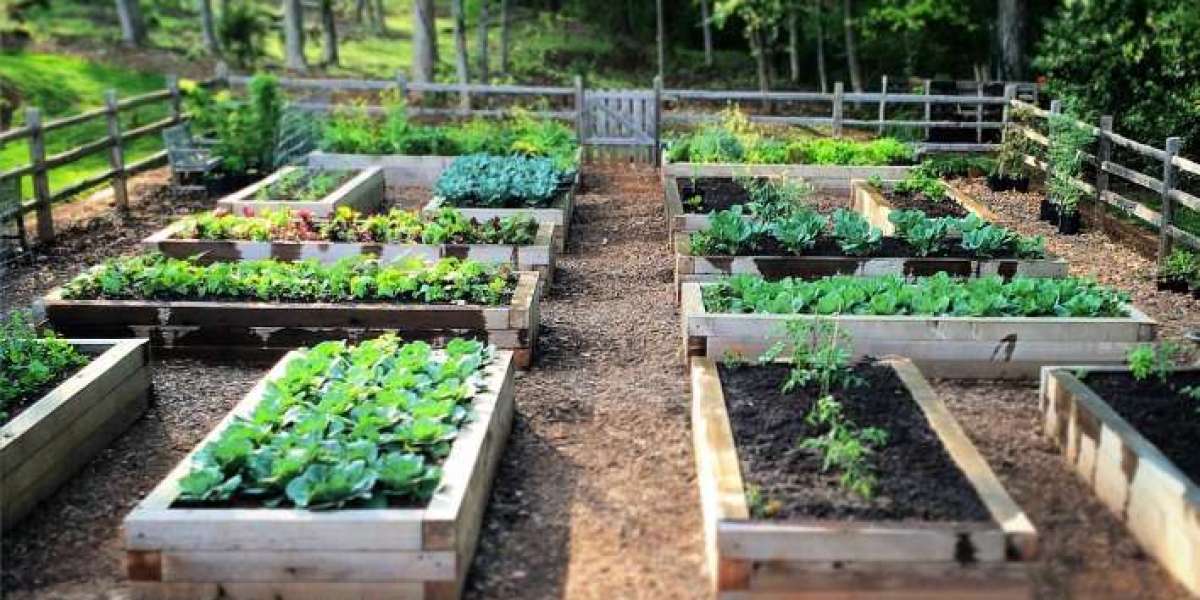

Garden beds are the heart of every successful home garden. Whether you're growing fresh vegetables, colorful flowers, or aromatic herbs, a well-planned garden bed provides the structure, soil quality, and growing environment plants need to flourish. From raised beds to in-ground options, this guide covers everything you need to know to build and maintain a beautiful, productive garden bed.
What is a Garden Bed?
A garden bed is a defined area of soil where plants are grown. These can be:
Raised above the ground (using wood, metal, or plastic borders)
In-ground beds (directly integrated into your landscape)
Or container beds for small spaces like patios and balconies
Garden beds help create ideal conditions for growing by improving drainage, minimizing soil compaction, and keeping weeds under control.
Benefits of Using Garden Beds
1. Improved Soil Quality
You control the type of soil you use, ensuring it's rich in nutrients and well-draining—ideal for healthy root growth.
2. Better Pest & Weed Management
Raised or bordered beds act as barriers to pests and make it easier to manage weeds without harsh chemicals.
3. Extended Growing Season
Soil in raised beds warms up faster in spring and drains better during wet seasons, allowing earlier planting and healthier crops.
4. Space Optimization
Garden beds can be placed anywhere—backyards, balconies, or rooftops. You can even design vertical beds for small areas.
5. Aesthetic Appeal
Defined garden beds add structure and charm to your landscape. Whether you prefer a neat grid or a natural, curved design, they enhance the overall look of your outdoor space.
Types of Garden Beds
Raised Garden Beds
Built with wood, metal, or composite boards, these beds sit above ground and are filled with a custom soil mix. Ideal for beginners and urban gardeners.
In-Ground Garden Beds
Directly dug into your yard, these beds are cost-effective and suitable for large-scale gardening.
Container Garden Beds
Perfect for patios or decks, these beds are usually made from pots, barrels, or fabric grow bags.
Tiered Garden Beds
Designed in levels, these maximize space and are visually appealing. Great for herbs and flowers.
How to Build a Garden Bed: Step-by-Step
1. Choose a Location
Look for an area with at least 6–8 hours of sunlight. Ensure it's level and has good drainage.
2. Decide on the Bed Type
Raised bed for better control and easy maintenance
In-ground bed for larger gardens
Container bed for limited space
3. Prepare the Soil
For raised beds, use a soil mix of:
50% topsoil
30% compost
20% perlite or coconut coir
In-ground beds should be tilled and amended with compost or organic matter.
4. Install Borders (If Needed)
Use rot-resistant wood, galvanized steel, stone, or composite materials to define your garden bed’s shape and size.
5. Plant Your Seeds or Seedlings
Follow spacing instructions for each plant. Group crops with similar needs together for easier care.
6. Water and Mulch
Keep the soil evenly moist and apply organic mulch to retain moisture and suppress weeds.
What Can You Grow in a Garden Bed?
Garden beds are versatile and support a wide range of plants, including:
Vegetables
Tomatoes
Lettuce
Carrots
Peppers
Cucumbers
Herbs
Basil
Parsley
Mint
Rosemary
Thyme
Flowers
Marigolds
Petunias
Lavender
Zinnias
Daisies
You can even grow fruit-bearing plants like strawberries or dwarf blueberries.
Tips for a Thriving Garden Bed
Rotate Crops: Change plant types seasonally to prevent soil depletion and reduce pests.
Test Soil Annually: Check pH and nutrient levels to keep your plants healthy.
Install Drip Irrigation: Saves water and ensures consistent moisture levels.
Add Organic Matter Regularly: Compost boosts soil fertility and structure.
Garden Bed Maintenance
Weed Weekly to prevent competition with your plants.
Mulch Seasonally to control temperature and retain moisture.
Amend Soil with compost or organic fertilizers 2–3 times a year.
Inspect for Pests and Diseases regularly and treat organically when possible.
FAQs About Garden Beds
1. How deep should a garden bed be?
A depth of 12–18 inches is ideal for most vegetables. Root crops may need up to 24 inches.
2. Can I place a garden bed on concrete?
Yes! Use raised or container beds and ensure proper drainage by adding gravel or using beds with drain holes.
3. Do garden beds need to be replaced?
Raised beds can last 5–20 years, depending on the material. Wood may need replacing sooner than metal or composite beds.
4. How often should I water my garden bed?
Water needs vary by plant and climate. As a rule of thumb, water deeply 2–3 times a week, more during hot or dry periods.
Conclusion
Garden beds are the cornerstone of a successful home garden. Whether raised, in-ground, or in containers, they give you control, convenience, and the ability to grow healthy plants in any space. With the right setup and maintenance, your garden bed will provide beauty, nutrition, and joy for years to come.