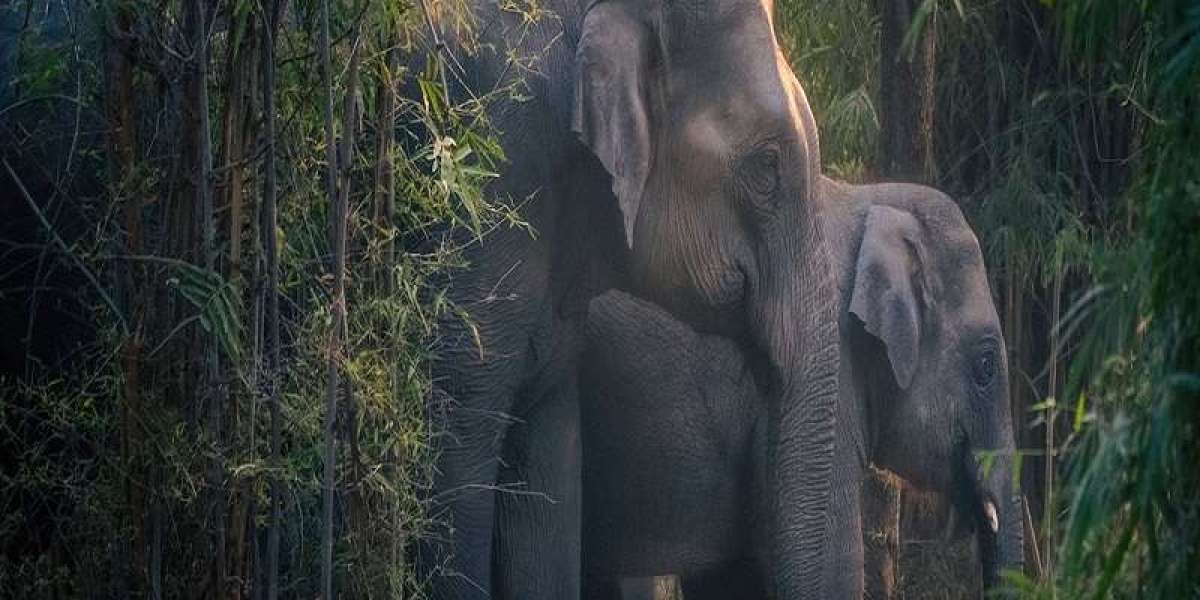

If you’re searching for an offbeat yet breathtaking wildlife experience in India, Panna National Park deserves a spot at the top of your list. Nestled in Madhya Pradesh — the heart of India — this lesser-known reserve offers an incredible blend of dense teak forests, serene river valleys, and thriving wildlife populations. Whether you’re an avid photographer, a nature lover, or simply someone craving peace away from the crowds, planning your Panna jungle safari booking is your first step toward an unforgettable adventure.
This guide covers everything you need to know: the park’s unique attractions, safari timings, best zones, how to book permits, and practical tips to make the most of your trip.
1. Why Choose Panna National Park for Your Next Safari
Declared a Tiger Reserve in 1994, Panna has transformed into one of central India’s most successful wildlife conservation stories. Once affected by poaching, the park now thrives thanks to careful reintroduction and monitoring efforts by the Forest Department and local communities. Today, it stands as a model for sustainable tourism and ecological recovery.
But what sets Panna apart is its diversity — not just of animals, but of landscapes. The park is divided by the Ken River, which forms dramatic gorges, cascading waterfalls, and lush valleys. On any given safari, you might spot tigers, leopards, sloth bears, wild dogs (dholes), and over 200 species of birds, including vultures and kingfishers.
The best part? Panna is far less crowded than other parks like Ranthambore or Bandhavgarh, making it ideal for travelers seeking a more tranquil, immersive jungle experience.
2. How to Make Your Panna Jungle Safari Booking
Booking a safari at Panna is easy, but it requires a bit of planning — especially during the peak wildlife season (October to June).
Step-by-Step Guide to Booking Online:
- Visit the Official Portal: The official website for Madhya Pradesh Forest Department allows visitors to make their Panna jungle safari booking online.
- Select Park and Zone: Choose Panna Tiger Reserve and pick your preferred safari zone (Madla, Hinauta, Akola, Jhinna, or Nauradehi).
- Pick a Safari Type:
- Jeep Safari: Ideal for small groups and wildlife photographers.
- Canter Safari: Great for larger groups and families.
- Night Safari: A rare opportunity to witness nocturnal animals in action.
- Enter Visitor Details: You’ll need to provide ID details for all participants.
- Complete Payment: Pay online to confirm your booking.
- Carry Your E-Permit: Bring a printed or digital copy of the booking confirmation and your ID proof to the entry gate.
Pro Tip: Book at least 30–45 days in advance, especially if you’re visiting during weekends or holidays.
3. Safari Timings and Best Time to Visit
Best Time to Visit:
- October to February: Pleasant weather, great for birdwatching and scenic landscapes.
- March to May: Excellent for tiger sightings as animals gather near the Ken River for water.
4. Zones of Panna National Park
Each safari zone in Panna offers something distinct:
- Madla Zone: The most popular and easily accessible zone near the park’s main gate. Great for first-time visitors.
- Hinauta Zone: Known for frequent tiger and leopard sightings.
- Akola Zone: Offers deeper forest trails and a higher chance of seeing sloth bears.
- Jhinna Zone: Famous for its rustic charm and night safaris.
- Nauradehi Zone: A lesser-known area that provides solitude and scenic landscapes.
When making your Panna jungle safari booking, consider choosing different zones for multiple safaris to maximize your wildlife experiences.
5. Where to Stay: Jungle Lodges and Eco-Resorts
A safari in Panna isn’t complete without the right place to stay. The region offers everything from government-run rest houses to luxurious eco-lodges.
- Taj Pashan Garh, Panna National Park: A five-star safari lodge offering world-class luxury amid rugged wilderness.
- Ken River Lodge: One of the oldest and most respected properties near the park, offering riverside cottages and authentic forest experiences.
- Sarai at Toria: A sustainable eco-retreat focused on responsible tourism, run by conservationists.
Each of these properties can assist you with Panna jungle safari booking, guide arrangements, and local excursions.
6. What to Expect on Your Safari
A typical jungle safari in Panna lasts about 3–4 hours and takes you through a mix of dry forests, riverbanks, and grasslands. Here’s what you can look forward to:
- Tiger and Leopard Sightings: Panna’s tiger population has steadily grown, offering visitors good chances to spot the big cats.
- Ken River Landscapes: Don’t miss the stunning views from the Ken Gharial Sanctuary and Raneh Falls Canyon — a geological marvel near the park.
- Birdwatching Paradise: From paradise flycatchers to Indian vultures, Panna is a bird lover’s dream.
- Cultural Experiences: Visit nearby Khajuraho (a UNESCO World Heritage Site) — just 45 minutes away — for an enriching mix of art, history, and nature.
7. Responsible Safari Etiquette
A successful safari isn’t just about what you see — it’s about how you experience it.
- Maintain silence and avoid feeding animals.
- Stay seated inside the vehicle at all times.
- Avoid strong perfumes or bright clothing that might disturb wildlife.
- Support local guides and eco-friendly lodges that contribute to conservation.
Remember, responsible tourism ensures that the park’s beauty and biodiversity are preserved for future generations.
8. Final Thoughts: The Untamed Beauty of Panna
A Panna jungle safari booking isn’t just a ticket to see wildlife — it’s an invitation to reconnect with nature in its purest form. From the haunting calls of peacocks at dawn to the shimmer of the Ken River under the afternoon sun, every moment here feels intimate and raw.
Unlike the busier reserves of India, Panna offers space — space to breathe, reflect, and truly experience the wilderness. It’s a destination for travelers who value authenticity over crowds, conservation over convenience, and quiet wonder over spectacle.
So, when you plan your next wildlife adventure, skip the ordinary and choose Panna. It may be India’s best-kept safari secret — but once you experience it, you’ll understand why those who visit can’t stop coming back.