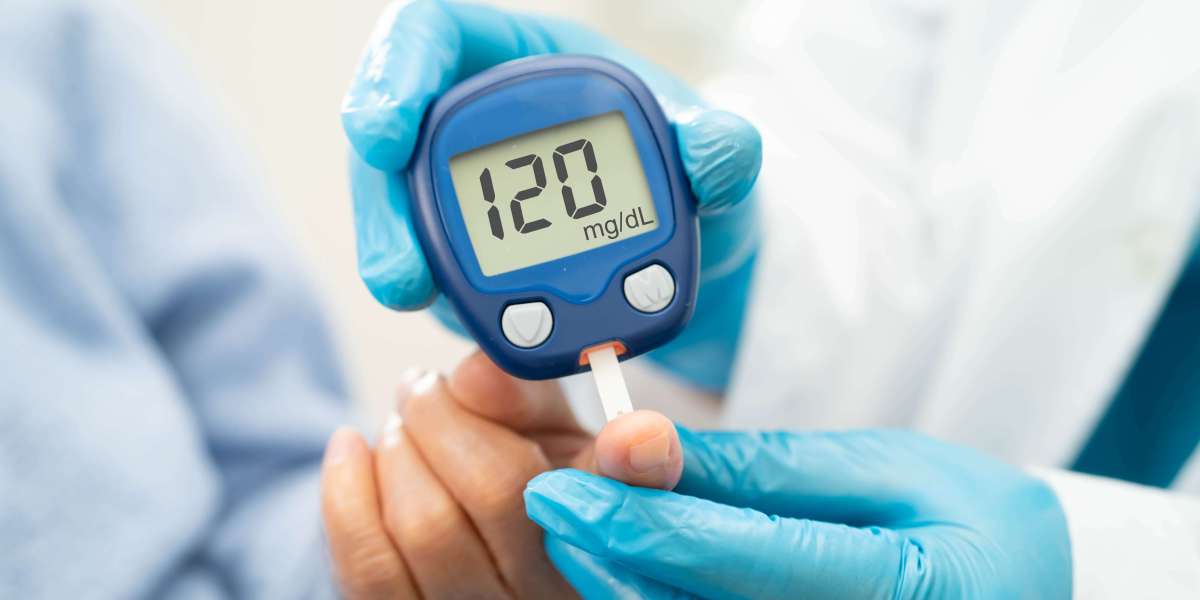

Your body depends on blood sugar for energy. It fuels your brain, muscles, and organs, helping you think clearly and stay active. However, when your blood sugar becomes too high or too low, it can affect your energy, mood, and overall health.
The good news is that maintaining balanced blood sugar isn’t difficult. It’s about understanding what affects it — your diet, activity, stress, and sleep — and making small, consistent improvements. This guide will show you natural ways to keep your blood sugar steady and your body strong.
What Is Blood Sugar?
Blood sugar, or glucose, comes from the food you eat. Your body breaks down carbohydrates into glucose, which enters the bloodstream. The hormone insulin, produced by the pancreas, helps move glucose from the blood into your cells to be used for energy.
When everything works well, blood sugar stays within a healthy range. But if your diet includes too much sugar or refined carbs, or your body doesn’t use insulin efficiently, glucose levels can rise too high or drop too low. Both extremes can cause fatigue, mood changes, and long-term health problems.
Why Balanced Blood Sugar Is Important
Stable blood sugar levels keep your body functioning smoothly. When glucose stays balanced:
Your energy remains steady throughout the day.
You feel full longer and crave less sugar.
Your mind stays clear and focused.
Your mood is more stable.
Your body uses fat more efficiently for energy.
Keeping your blood sugar balanced also supports your heart, brain, and immune system — making it one of the most important aspects of good health.
Best Foods to Maintain Blood Sugar Balance
Food is the most powerful way to manage blood sugar naturally. Choosing the right foods can prevent sudden spikes or drops.
1. Eat Whole Foods
Choose whole, unprocessed foods like vegetables, fruits, whole grains, nuts, and seeds. These contain natural fiber that slows down sugar absorption. Avoid packaged foods, sugary drinks, and refined carbs.
2. Focus on Fiber
Fiber is key for controlling blood sugar. It helps your body digest food slowly and prevents sugar spikes after meals. Oats, beans, lentils, chia seeds, and leafy greens are great sources.
3. Add Protein
Protein helps stabilize glucose levels and keeps you satisfied. Include eggs, fish, tofu, chicken, or legumes in your meals.
4. Healthy Fats
Good fats from avocado, olive oil, nuts, and flaxseed can improve insulin function and keep you full. Limit fried or processed fats.
5. Control Portions
Even healthy foods can raise blood sugar if eaten in large amounts. Eat moderate portions and pay attention to hunger cues.
For more blood sugar control tips and natural methods, visit [your-domain-link-here].
Lifestyle Habits That Support Blood Sugar
Food is important, but lifestyle habits also affect how your body manages glucose.
1. Stay Active
Physical activity helps your body use glucose for energy. A brisk walk, cycling, yoga, or simple stretching can make a difference. Aim for at least 30 minutes of movement daily.
2. Manage Stress
When you’re stressed, your body releases hormones that raise blood sugar. Meditation, deep breathing, and spending time outdoors can help calm your mind.
3. Get Enough Sleep
Lack of sleep can make you crave sugar and slow your metabolism. Try to get 7–8 hours of quality sleep each night to keep your hormones balanced.
4. Drink Water Regularly
Staying hydrated helps your body flush out excess sugar through urine. Choose plain water or unsweetened herbal tea instead of sugary drinks.
5. Avoid Smoking and Limit Alcohol
Both smoking and heavy drinking interfere with how your body processes glucose. Limiting these habits supports blood sugar stability.
Signs of Blood Sugar Imbalance
If your blood sugar isn’t balanced, your body will give you signs. Here are some to watch for:
Fatigue or tiredness after eating
Cravings for sweets or snacks
Difficulty concentrating
Feeling shaky or dizzy
Irritability or mood swings
Blurred vision
Recognizing these early signs can help you make quick changes before problems worsen.
Easy Steps to Build a Balanced Routine
You don’t need a strict diet to keep your blood sugar in control — small daily choices matter most.
Start your day with a high-protein breakfast.
Include vegetables in every meal.
Avoid skipping meals to prevent sugar drops.
Move your body after eating — even a 10-minute walk helps.
Practice deep breathing or mindfulness for stress relief.
Stay consistent — your body loves routine.
Over time, these habits will naturally stabilize your blood sugar and improve your energy.
Blood Sugar and Long-Term Wellness
Stable blood sugar affects your entire system — not just your energy. When glucose levels stay balanced, your heart, brain, and digestion all function better. You’ll feel more focused, calm, and physically strong.
A healthy blood sugar balance also supports metabolism and weight management, helping your body use energy more efficiently.
To learn more about natural wellness and ways to maintain balanced blood sugar, visit [sugar mute ] for more health resources.
Final Thoughts
Keeping your blood sugar balanced is one of the simplest and most powerful ways to improve your overall health. By eating real foods, staying active, managing stress, and getting enough rest, you give your body the support it needs to stay strong and energetic.
Small, consistent habits make all the difference — and the results are worth it.