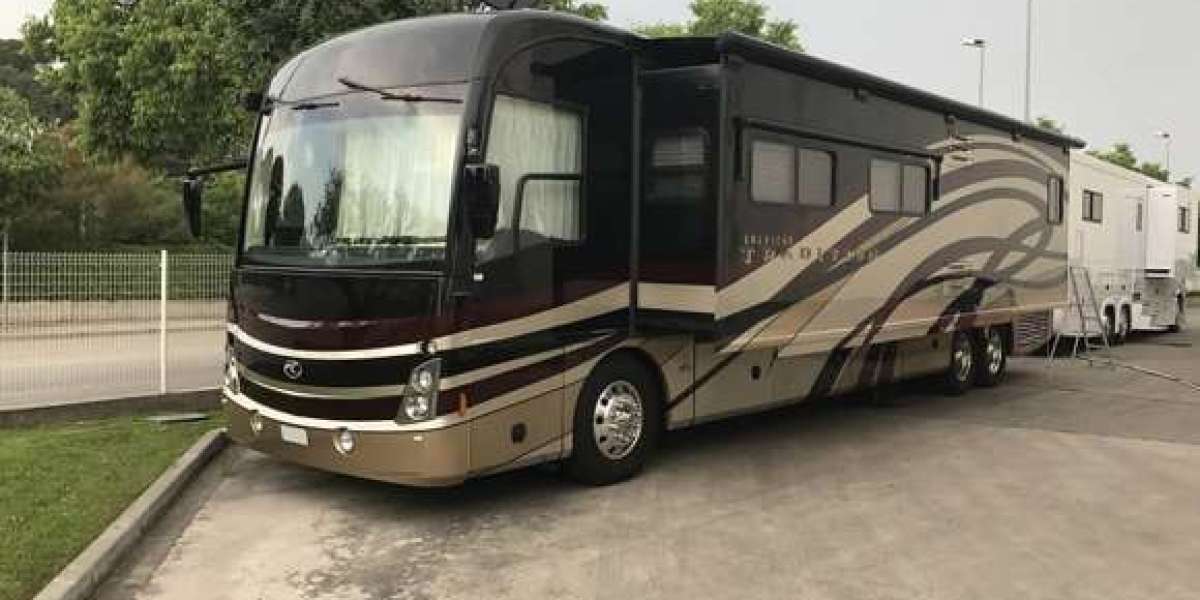

The world of RVing is changing, and one of the most exciting innovations is the rise of electric motorhomes. As environmental concerns and the push for sustainable living continue to grow, electric RVs are becoming an increasingly popular choice for travelers looking to reduce their carbon footprint while still enjoying the freedom and comfort of life on the road. At Mobile RV Maintenance, we’re excited to help RV owners make the transition to electric motorhomes and ensure they are properly maintained for the road ahead.
What is an Electric Motorhome?
An electric motorhome is an RV powered entirely (or partially) by electricity, rather than by traditional internal combustion engines that run on gasoline or diesel. These motorhomes use large batteries to power the vehicle’s electric motors, providing an eco-friendly alternative to conventional RVs. Electric motorhomes can be fully electric or hybrid, where they combine both electric power and traditional fuel systems for increased range and flexibility.
Benefits of Electric Motorhomes
Environmental Impact
One of the most significant advantages of electric motorhomes is their reduced environmental impact. They produce zero emissions, which means cleaner air, reduced greenhouse gases, and a positive effect on the environment. For eco-conscious travelers, this is one of the most compelling reasons to consider switching to an electric RV.Lower Operating Costs
Electric motorhomes tend to have lower operating costs compared to traditional RVs. Charging an electric motorhome is cheaper than fueling a conventional RV, and with advancements in battery technology, electric motorhomes have longer ranges, reducing the need for frequent stops to charge. Moreover, electric motors have fewer moving parts, meaning lower maintenance and repair costs over the long term.Quiet and Smooth Ride
Without the roar of an internal combustion engine, electric motorhomes provide a quiet and smooth ride. This is especially important when traveling in nature or camping in quieter, more peaceful locations. The lack of engine noise allows for a more serene travel experience, making it easier to enjoy the sounds of nature.Energy Efficiency
Electric motorhomes are highly efficient in converting energy into motion. They use less energy to travel the same distance as traditional RVs, which means they are better at maximizing fuel (or battery) usage. With advances in regenerative braking systems, some electric RVs can even recover energy when slowing down or braking, further improving efficiency.Reduced Maintenance
Electric vehicles have fewer moving parts compared to gasoline or diesel-powered vehicles. For RV owners, this translates to fewer trips to the mechanic for repairs. There’s no need to worry about things like oil changes, exhaust systems, or spark plugs, which are common in traditional motorhomes. This makes electric motorhomes easier and cheaper to maintain.
How Far Can Electric Motorhomes Go?
One of the most important factors to consider when buying an electric motorhome is range – how far can it travel on a single charge? Fortunately, the range of electric RVs is increasing rapidly. Many electric motorhomes on the market today can travel between 100 and 300 miles on a full charge, depending on the battery size and driving conditions. Some models, like the Mercedes-Benz EQV and Volta Voltaic RV, are designed for longer journeys and can travel even further.
For those concerned about range, hybrid options are available. These motorhomes offer a combination of electric power and traditional fuel, providing the best of both worlds. The hybrid system allows you to drive longer distances on electric power and switch to gasoline or diesel when needed, making them perfect for cross-country trips or long-haul adventures.
Charging Your Electric Motorhome
Charging an electric motorhome is straightforward, but it’s important to plan ahead. Most electric motorhomes come with a standard charging cord that can be plugged into any 120V outlet, though charging at this level will take longer. For faster charging, you can install a 240V home charging station, which will reduce charging time significantly.
In addition, there are growing networks of fast-charging stations specifically designed for electric vehicles, including RVs. These fast-charging stations can provide a full charge in just a few hours, making it easier to plan your trips. Apps and websites like PlugShare can help you locate charging stations on the go.