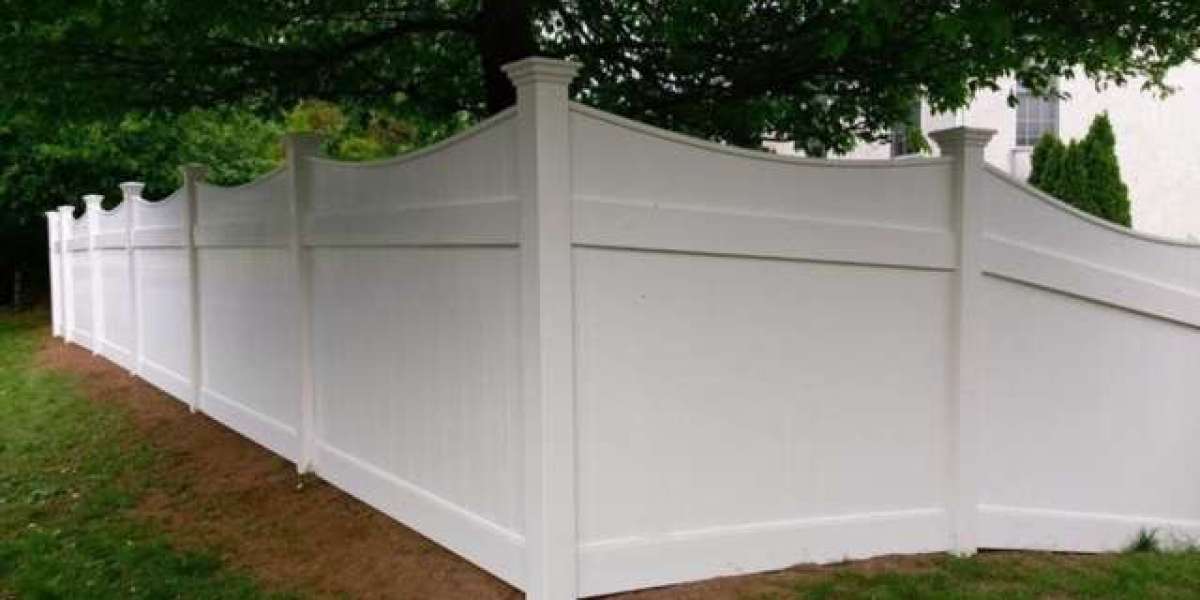

Installing fences for inground pools on your own is a question many homeowners eventually face, especially once they see how crucial a solid barrier can be for keeping things safe and meeting rules. Doing it solo feels appealing, maybe because you're good with tools or just love fixing stuff on days off. Still, pool fencing isn't the same as setting up a tiny yard edge or swapping out a post by the road. It ties into legal requirements, how well it holds up over time, plus ongoing care - meaning this choice weighs heavier than it first appears.
What Should You Understand Before Starting a DIY Pool Fence?
Grabbing a post-hole digger without knowing what’s involved? Think again - setting up fences around in-ground pools isn’t simply about hammering poles into dirt. Rules set clear standards on how tall the fence should be, where latches go, how far apart slats need to stay, plus which way gates open. Safety drives these laws - because if done wrong, a pool area turns risky real fast, particularly for little kids or curious animals who won’t stop at warnings.
This is why folks trying self-installs often get tripped up just reading the rules. Rules change a lot based on location. In some spots, fence height matters exactly - to the inch. Other places insist on special latches that little hands can't grab. Following them isn’t super hard, yet getting even one thing off - like putting the latch on the opposite side of the gate - might force you to rip out chunks of what you’ve done and redo it.
Is the Physical Installation Harder Than It Looks?
Even when you get how it’s supposed to go, putting up a fence around an inground pool might turn out way harder than expected. Holes look simple - until you hit tree roots or old pipes hiding underground. Rocks show up outta nowhere, messing with your layout. Getting each section straight and solid means dealing with lumpy ground, dirt changes, every little bump counts. Staying steady over dozens of feet? That kind of work asks for time more than anything.
A single crooked post might make the entire row shaky or leave a weird space at the edge, say if you're using metal or vinyl pieces. With wood fences, issues pop up like twisted planks plus messy cut lines that throw things off. As for gates - the only part meant to swing - they’ve got to sit just right, otherwise they’ll sag more each month from their own weight.
Someone who’s done a bit of building before could handle this fairly easily. But if you’re just starting out, expect it to drag on - maybe double or triple the time - and fixing errors tends to cost more than you’d think.
What Tools and Materials Do You Really Need?
One thing folks don’t expect? The gear needed. A basic home kit usually won't cut it when putting up fences around inground pools. String lines come in handy, along with a level, plus either a post-hole digger or an auger. Fast-dry concrete’s a must, so are clamps - sometimes even a specialized saw for certain parts. Heavy panels mean you may want help holding things steady, keeping them aligned right.
It's not like you can't rent these tools - figuring out how to use 'em right is the actual hurdle. I've watched people think it's easy, not realizing how tough it is to hold posts straight during a pour. Or how just one loose screw might slide a panel ever so slightly off track. That small misstep? It piles up down the line, making the whole fence tilt weirdly into someone else's space.
Where Does DIY Make Sense - and Where Doesn’t It?
Now and then, putting up a fence around an inground pool by yourself can actually work. When the ground’s even, open, and easy to dig into, things go smoother. Supposing you don’t mind sticking close to step-by-step directions while measuring twice, it might feel satisfying. In cases where the fencing stuff is light - say, some kinds of vinyl - it takes less strength to handle.
Yet putting up a fence yourself gets harder on steep ground, especially with bulky metal panels, or whenever area rules are tough to follow. On top of that, it's tougher if you want it standing strong for years without constant fixes. Experts don't just work quicker - they've seen problems before, like wobbly posts or drooping doors, and know how to dodge them.
How Do You Decide the Best Approach?
Imagine being partway into the task. Skin's a bit burnt, water pooled in the trench by morning, and the fence post sits crooked - just off enough to nag at you. When thinking about powering on anyway brings a weird kind of joy, maybe DIY fits you. But if that whole scene feels like too much hassle, getting someone else to handle it could be smarter.
Thinking ahead helps when you own an in-ground pool. A fence? It's not for looks - it’s there to block accidents daily. Build it on your own or get help from others, either way it must hold up well, meet local rules, and keep kids out safely.
Conclusion
You can local fence installers without professional help, no expert needed - but it really hinges on how handy you are, what your backyard’s like, plus how much tough, fiddly work you’re okay with. Doing it solo could feel great if things go smooth, yet quickly get annoying if rules slip your mind or the effort surprises you. For many homeowners, consulting or comparing their plans with local fence installers offers peace of mind, even if they ultimately choose to do the work themselves. Bottom line: no matter who builds it, the barrier must follow safety codes and hold up well over time.